
Batooro Meet Sounds Alarm on Child Malnutrition, Mental Health Crises
-
in Latest News
User Rating: 0 / 5


In Summary: There was no fluff. The message was simple, clear, and blunt. Nothing was complicated. Stunting is wasting a third of the future generation. That is the reality in Tooro. Beneath the glittering chandeliers and fanfare, an emergency crisis was brewing. An alarm was sounded and a call to action was, and still is, as loud as thunder. Time to act is now or a third of the future generation will lie in waste. Save the children of Tooro. Are you in? Meanwhile, another red flag is hoisted. This is intercontinental. But it is also closer home. The Diaspora is feeling the gravity of mental health challenges. The kith and kin at home are similarly afflicted. Who will help the helpers? Let’s help ourselves. Knowledge is power. Debunk the myths and get real. Mental disease is real. Smell the coffee!! Small steps, giant results. There is no excuse to stand on the fence. It’s now or never.
“If ye be willing and obedient, ye shall eat the good of the land.” (Isaiah 1:19).
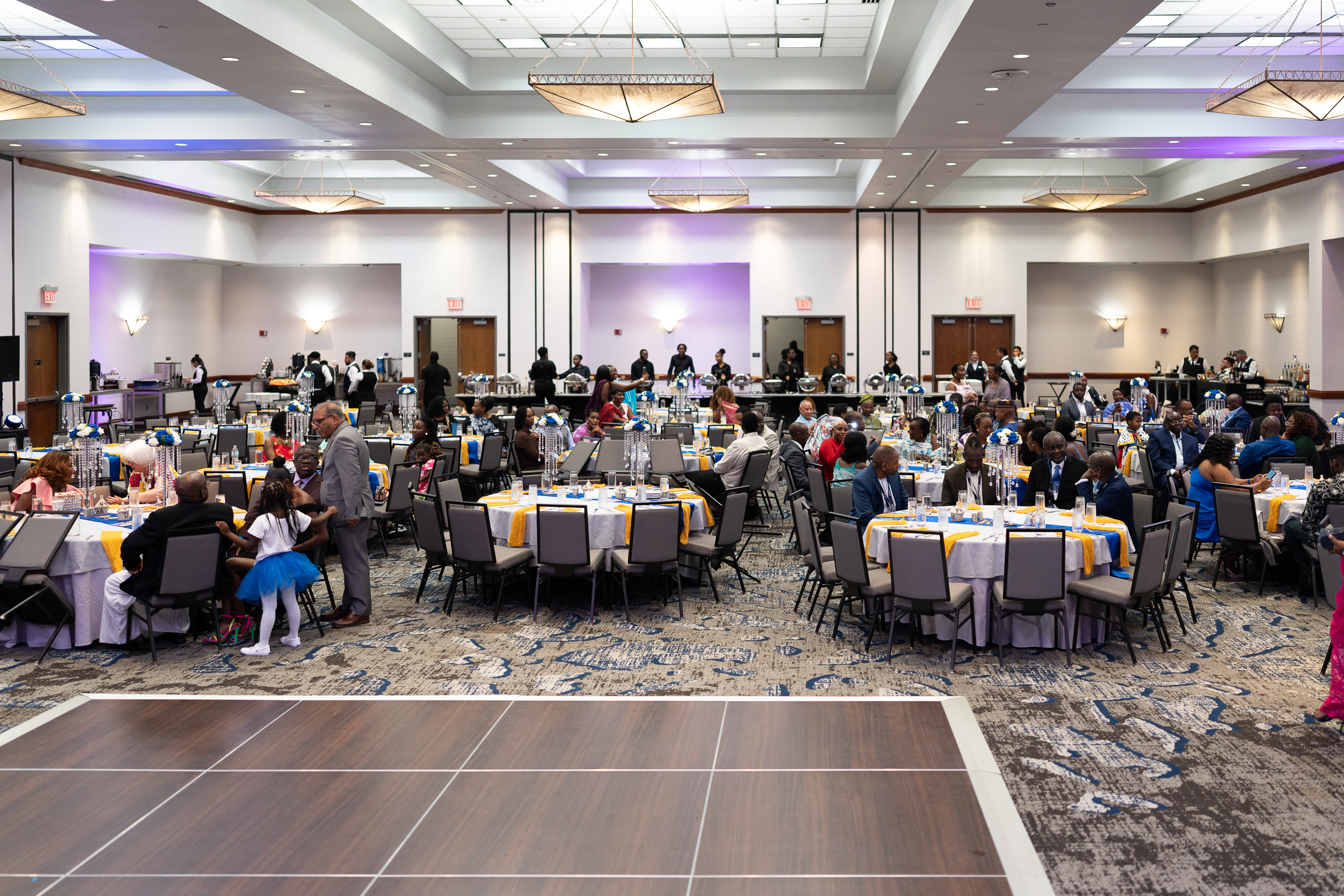
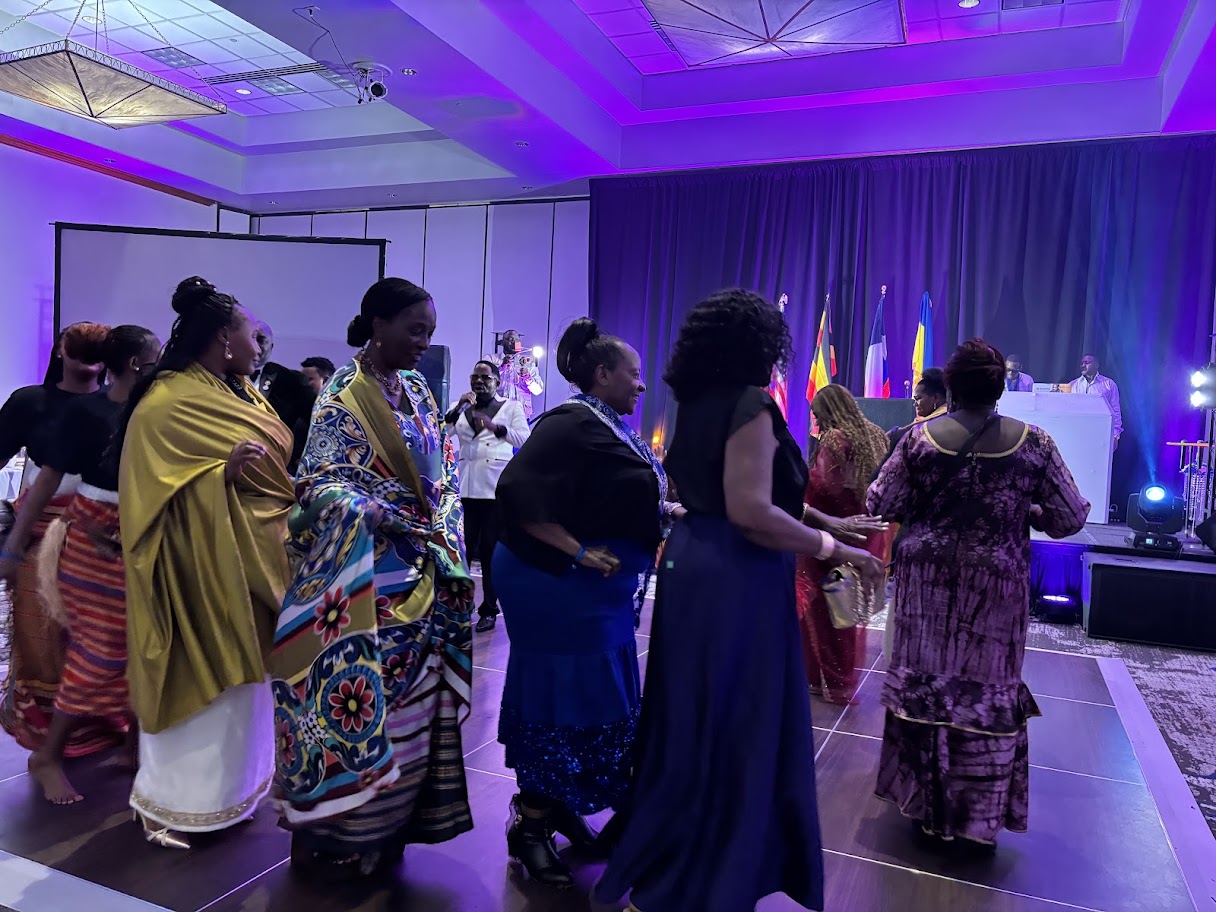
A cross-section of diners at the TAA grand banquet held at the Embassy Suites in Grapevine near Dallas, Texas.
By Samuel Muwanguzi. Content updated by Ronnie Byaruhanga and photos by Claire Mutebi
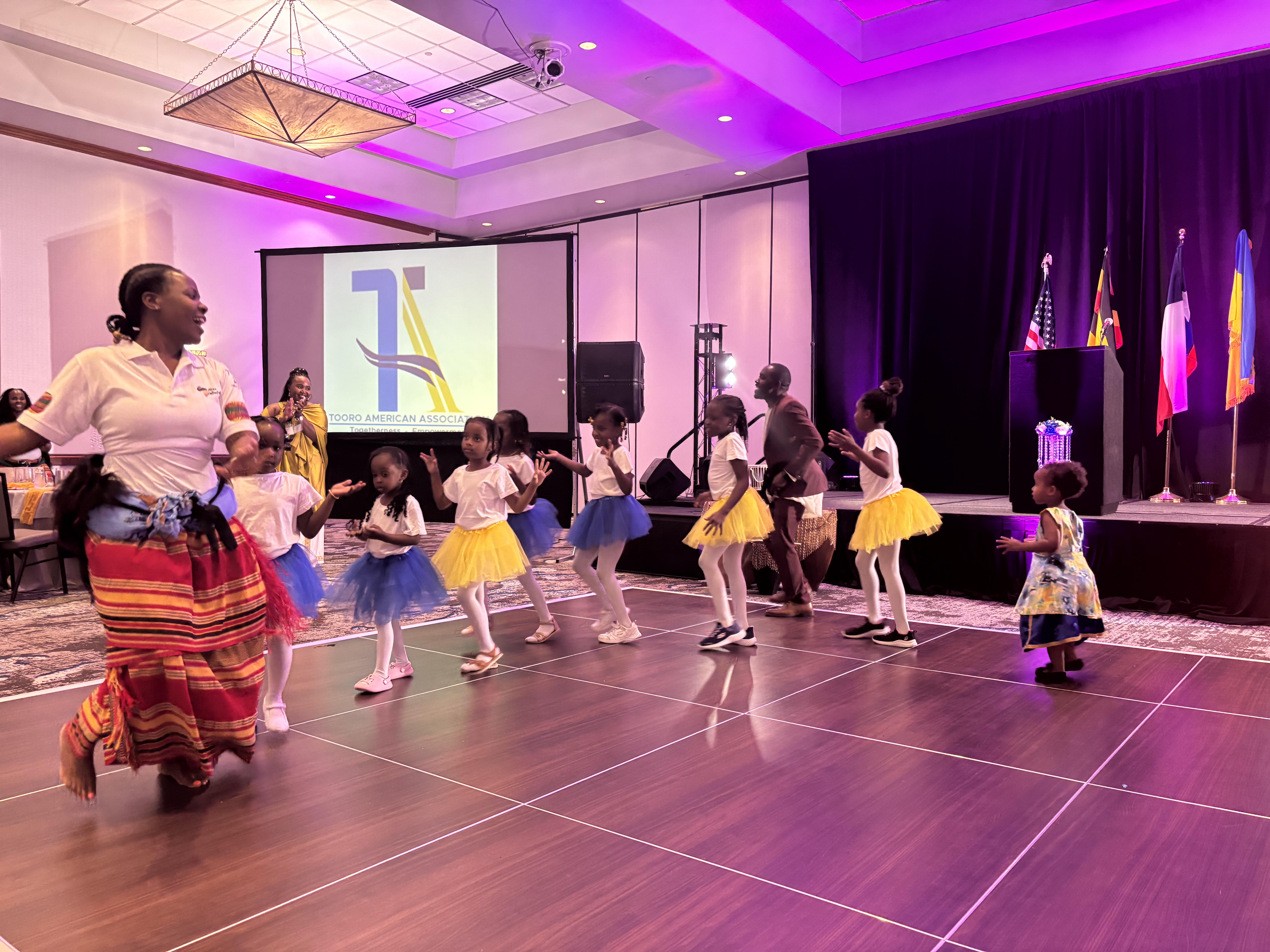
Dallas, Texas — Beneath the glittering chandeliers of the Embassy Suites in Grapevine, Texas, the Tooro-American Association (TAA) convention ended with an intercontinental emergency alert that transcended the celebrations. What began as an annual cultural gathering quickly transformed into a clarion call: Tooro’s children are in crisis, and the Ugandan Diaspora with their kith and kin in Uganda are quietly battling their own mental health storms. The message landed with force. The dual crises of child malnutrition in Tooro and mental health challenges in the Ugandan Diaspora and Tooro sub‑region are real and are grievously impacting individuals and families at levels never witnessed before. The staggering rates of child malnutrition in Uganda’s Tooro sub‑region and the rising tide of mental health challenges among Ugandan Diaspora communities in North America took center stage in the discourse at the recently concluded Tooro-American Association (TAA) convention held in Dallas, Texas.
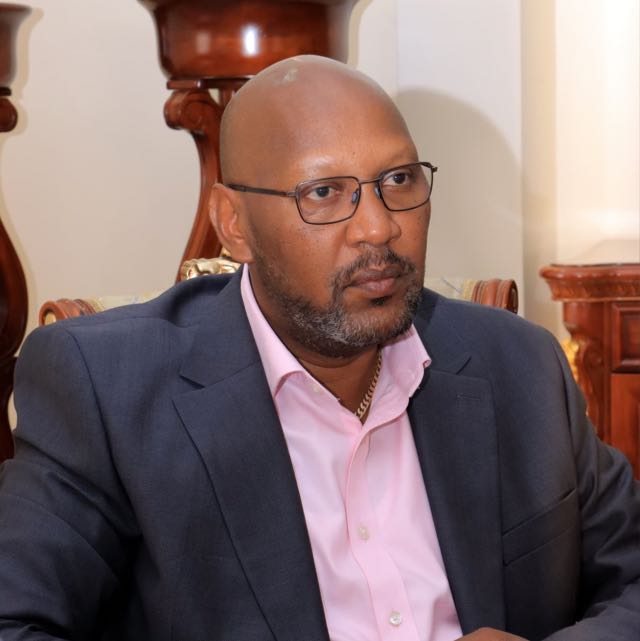
Joining the convention virtually, Tooro Kingdom Prime Minister (Omuhikirwa) Calvin Armstrong Rwomiire Akiiki delivered a sobering message that immediately set alarm bells. He warned that 30–35% of children under five in the Tooro sub‑region are affected by stunting, calling the crisis “one of the most urgent priorities” for the Kingdom. “One of the most urgent priorities is combating child malnutrition, with 30–35% of children under five in the sub-region affected by stunting,” he told the bewildered audience.
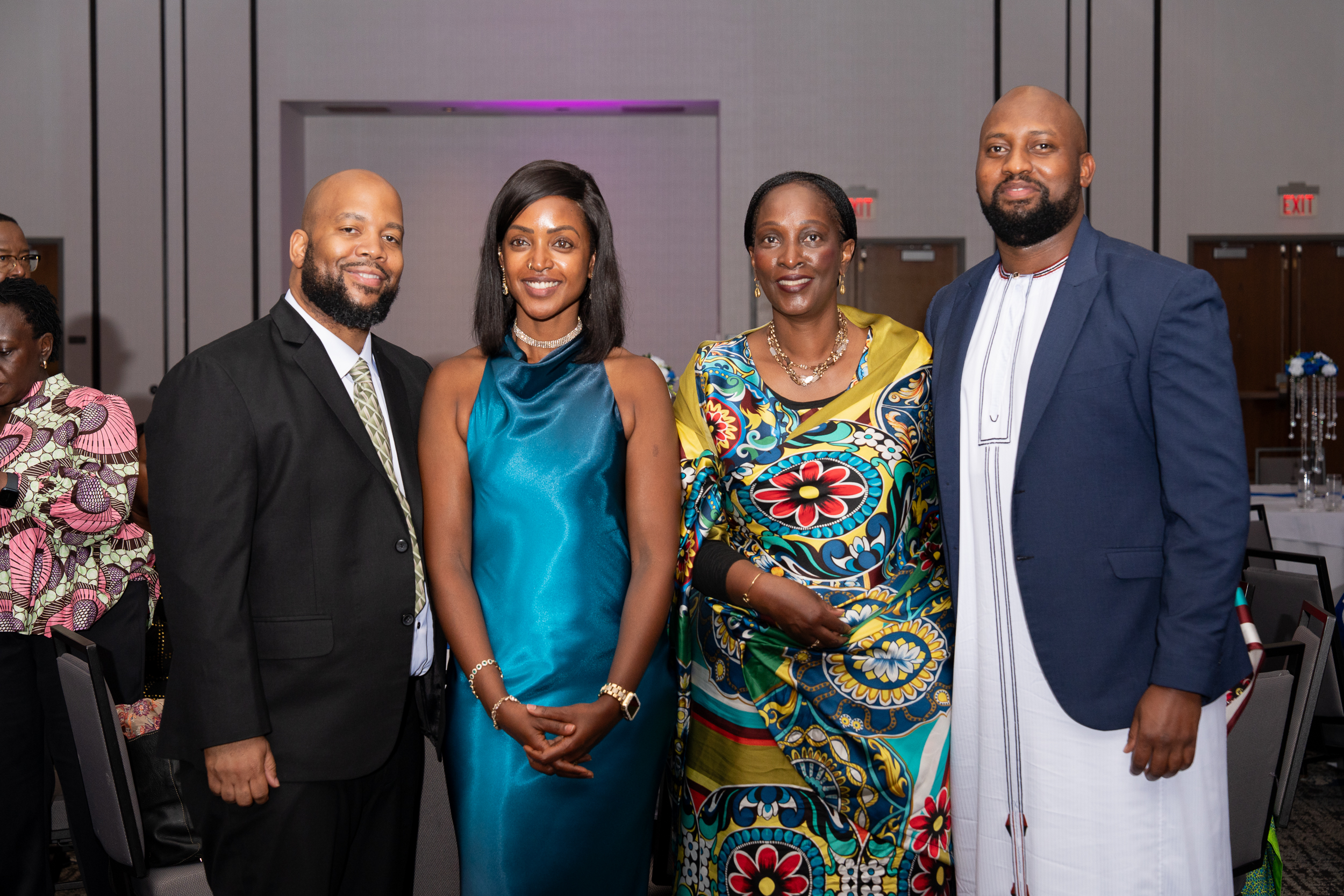
Photo of Ambassador to the United States Robie Kakonge Akiiki, Princess Ruth Nsemere Komuntale Akiiki Farquharson, Duke Phillip Farquharson at the grand banquet.
Addressing dignitaries including Uganda’s Ambassador to the United States Robie Kakonge Akiiki, Princess Ruth Nsemere Komuntale Akiiki Farquharson, Duke Phillip Farquharson, the Tooro American Association (TAA) Chairman George Tom Balinda Akiiki, the UNAA president Lambert Etibot, and the DFW area president Daniel Engole, and the DFW Ugandan community, the Prime Minister warned that the future of Tooro’s children hangs in the balance.
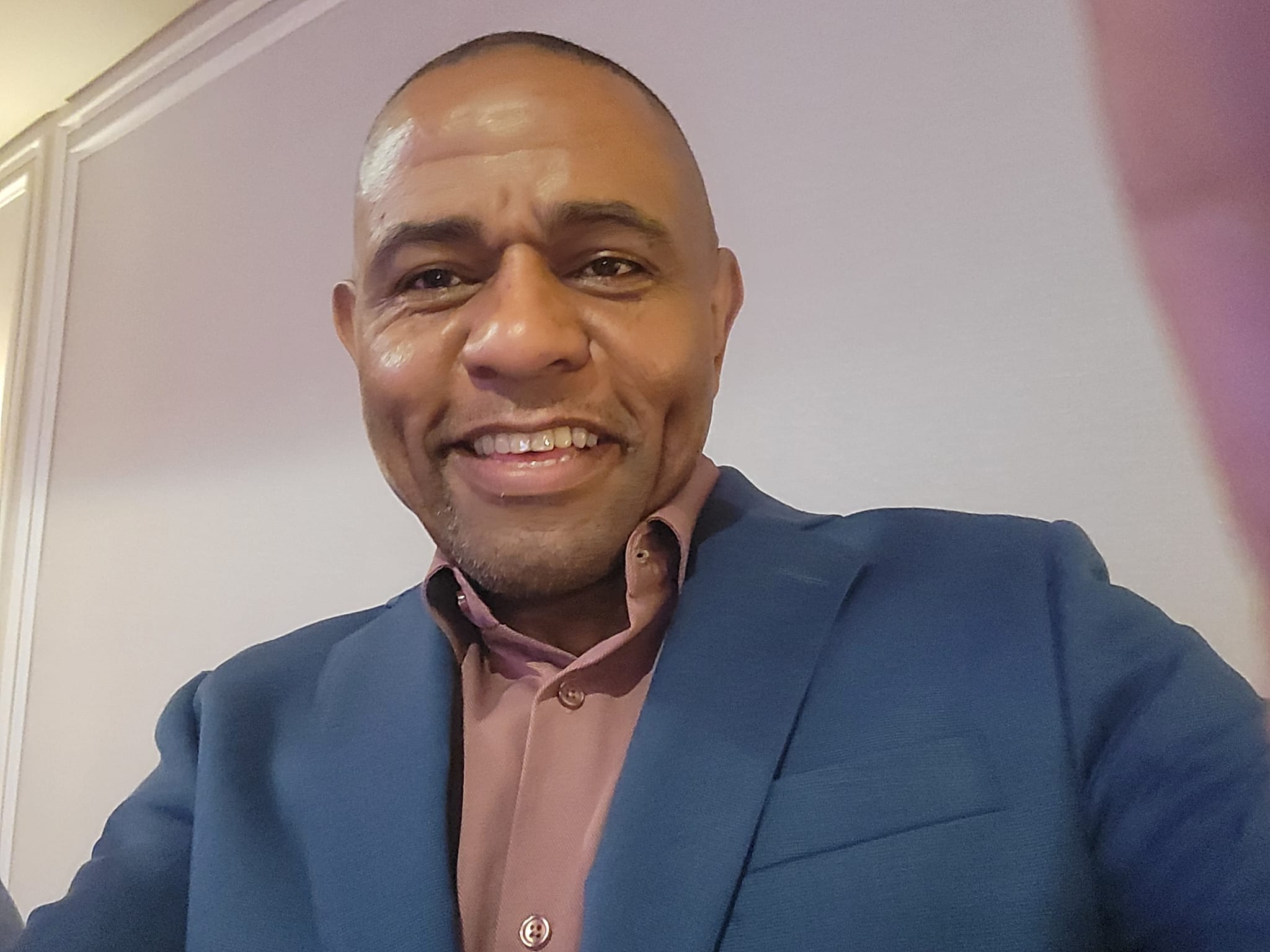
Making a passionate call to the Batooro Diaspora and their friends to join hands with the kingdom to fight the spiraling nutrition deficiency among children under 5 years, the Omuhikirwa Calvin Armstrong Rwomiire Akiiki warned that the future generation is in jeopardy if the emergency health crisis is not eliminated immediately. He emphasized that maternal nutrition, diversified diets, community health investment, and stronger agriculture nutrition linkages are essential pillars of King Oyo’s long-term vision for a prosperous and healthy Tooro. Central to that vision is the proposed King Oyo Children’s Hospital, which he described as “a place where no child is lost to preventable conditions… a vision rooted in generational transformation.”
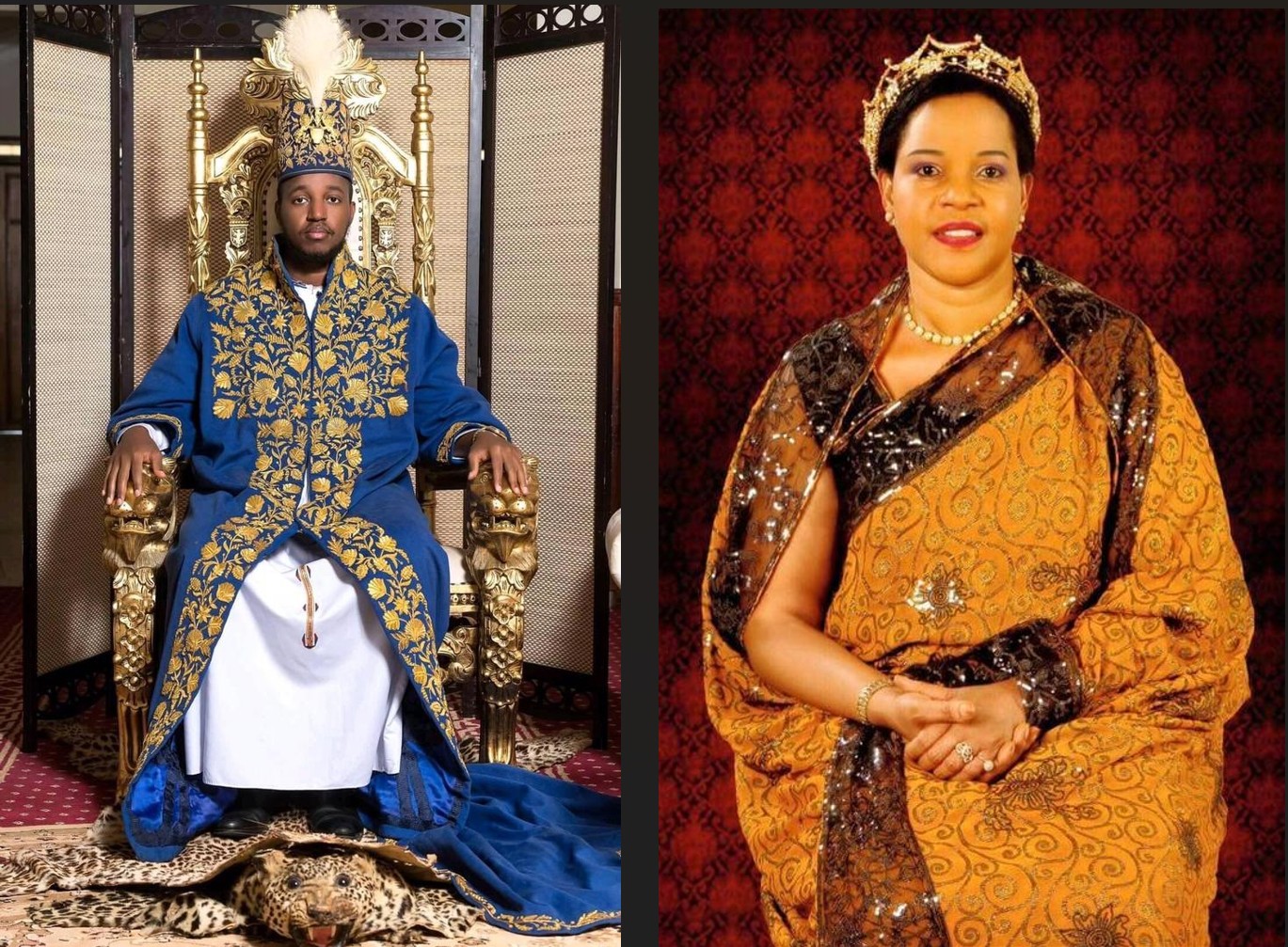
As well as calling for unity and action, the Tooro Kingdom premier, who could not travel to the United States to physically attend the TAA convention due to the Ebola outbreak in the African sub-region, conveyed greetings from His Majesty King Oyo Nyimba Kabamba Iguru Rukidi IV, the Queen Mother Best Kemigisa Akiiki, and the Kingdom administration. His message—passionate, warm, candid, and deeply aspirational—capped the tone for a convention focused on identity, responsibility, and the future of Tooro.

Yet amid the urgency, the Prime Minister offered praise for the Diaspora—“abaana bomuka”—children of the soil—whose achievements abroad continue to uplift Tooro’s name. “The diaspora is the missing link in unlocking the full potential of our Kingdom,” he said.
Hands of Mercy Steps In.
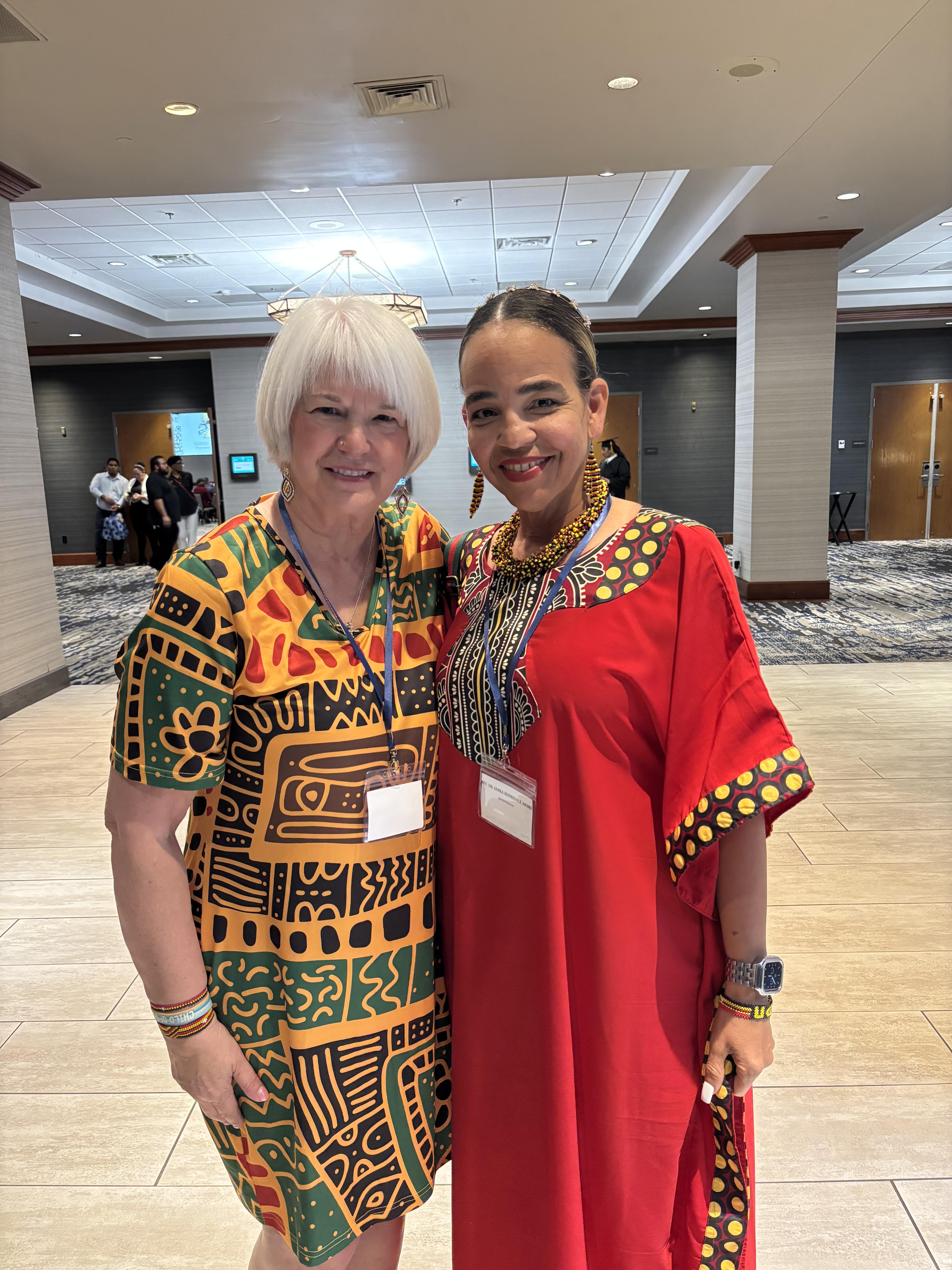
Even before the convention began, Tooro’s Five-Year Strategic Plan had already inspired action. The Hands of Mercy Health Initiative Project, headquartered in Miami, Florida, has begun constructing a hospital in Fort Portal City to address urgent health needs. Dr. Ianka Rodriguez, CEO and founder of Hands of Mercy and her colleague, attended the convention to showcase the organization’s work. “We are constructing a hospital in support of the call by King Oyo to provide the much-needed health services to prevent and treat diseases that afflict the people in the sub-region,” she said.
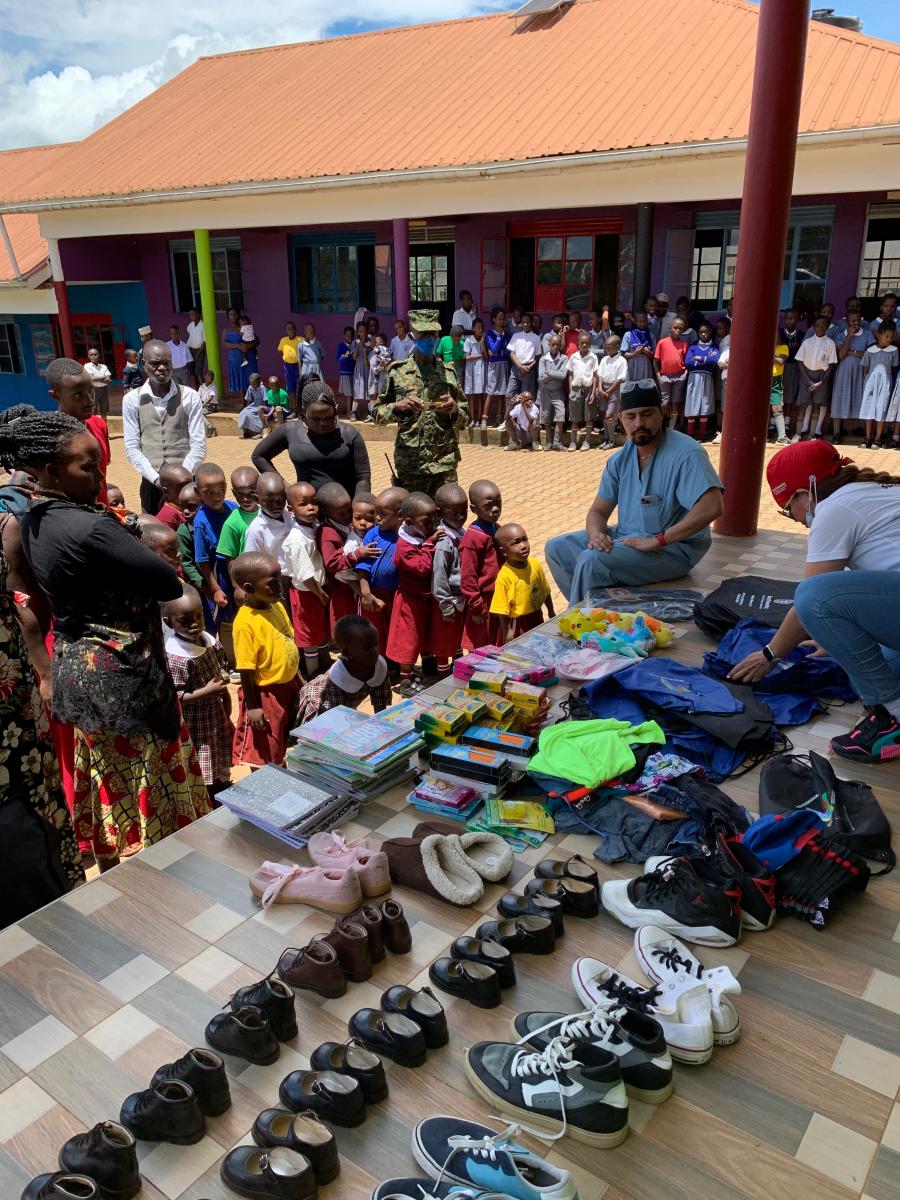
She added that the organization has also provided prosthetic limbs to children who lost legs or arms due to accidents or disease, describing their mission as divinely inspired. With child stunting affecting up to 35% of children under five, Hands of Mercy’s intervention is widely seen as a timely shot in the arm for Tooro’s health sector.
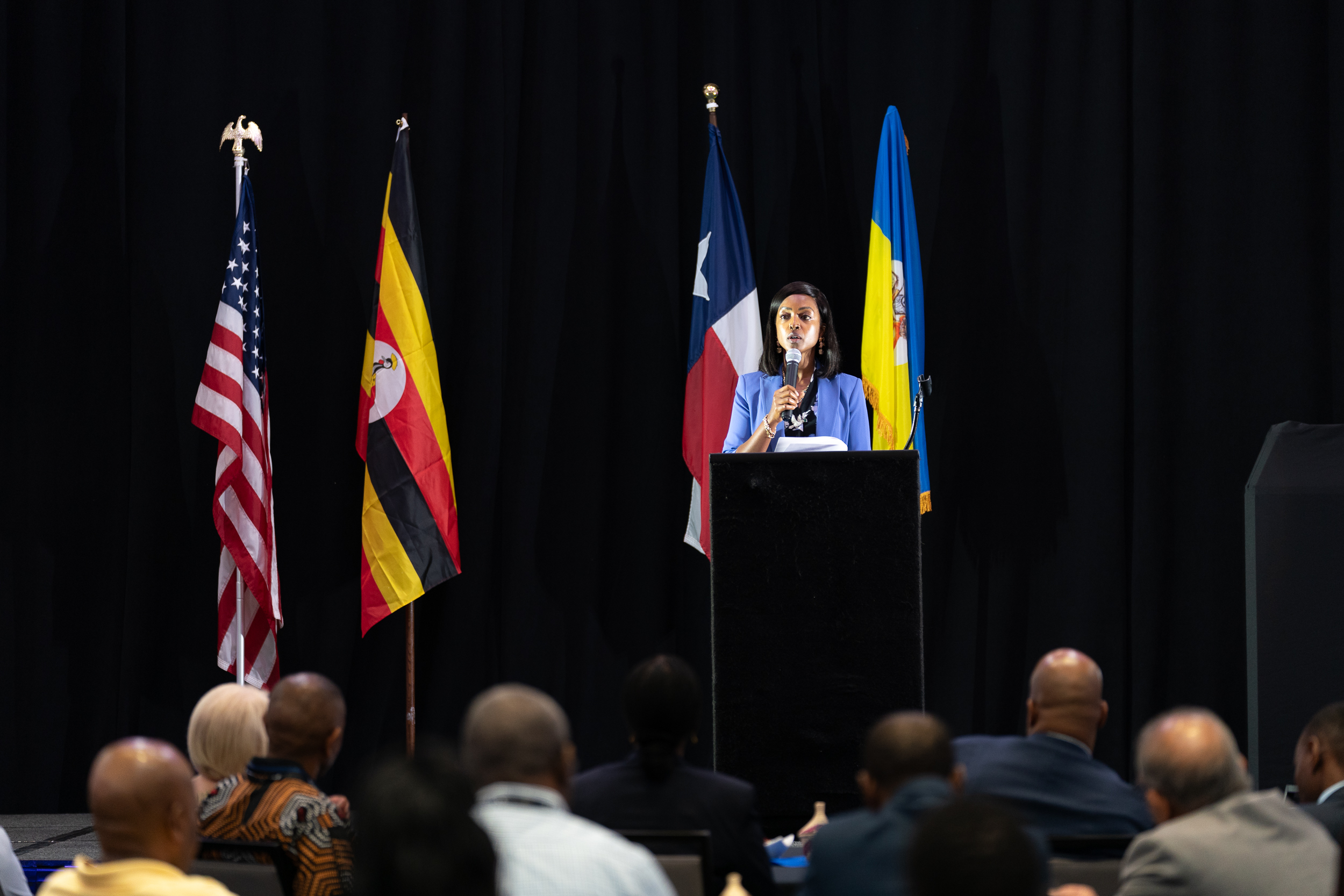
Princess Ruth Komuntale at the TAA convention.
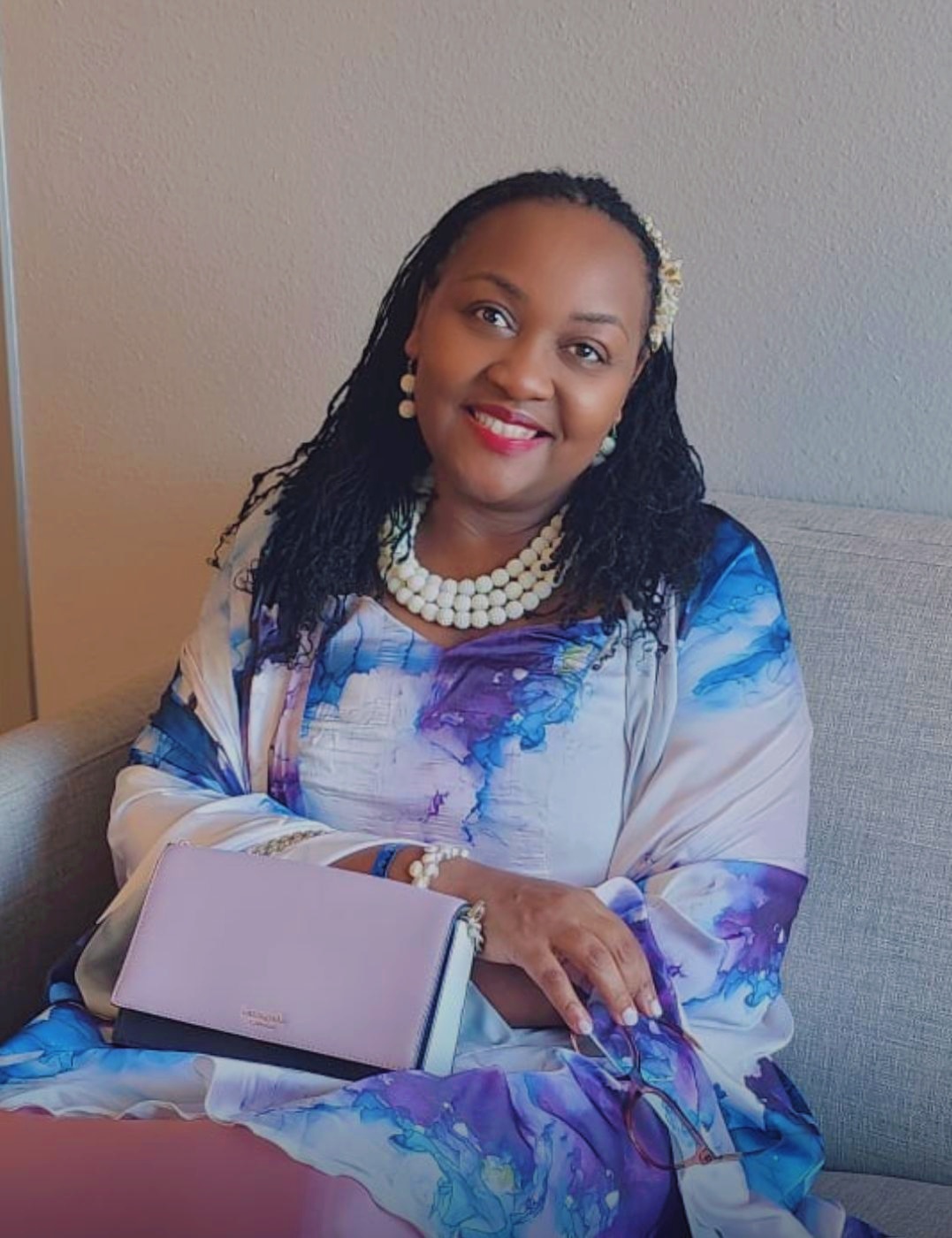
In alignment with the Kingdom’s strategic plan, Her Royal Highness Princess Ruth Nsemere Komuntale Akiiki Farquharson unveiled an ambitious initiative to strengthen health services in the Tooro sub‑region to ensure health Equity and mental wellness for Every Child She told attendees that her foundation aims to build a children’s hospital offering high-quality care regardless of a family’s background. “No mother should have to watch her child suffer simply because quality medical care is out of reach,” she said.
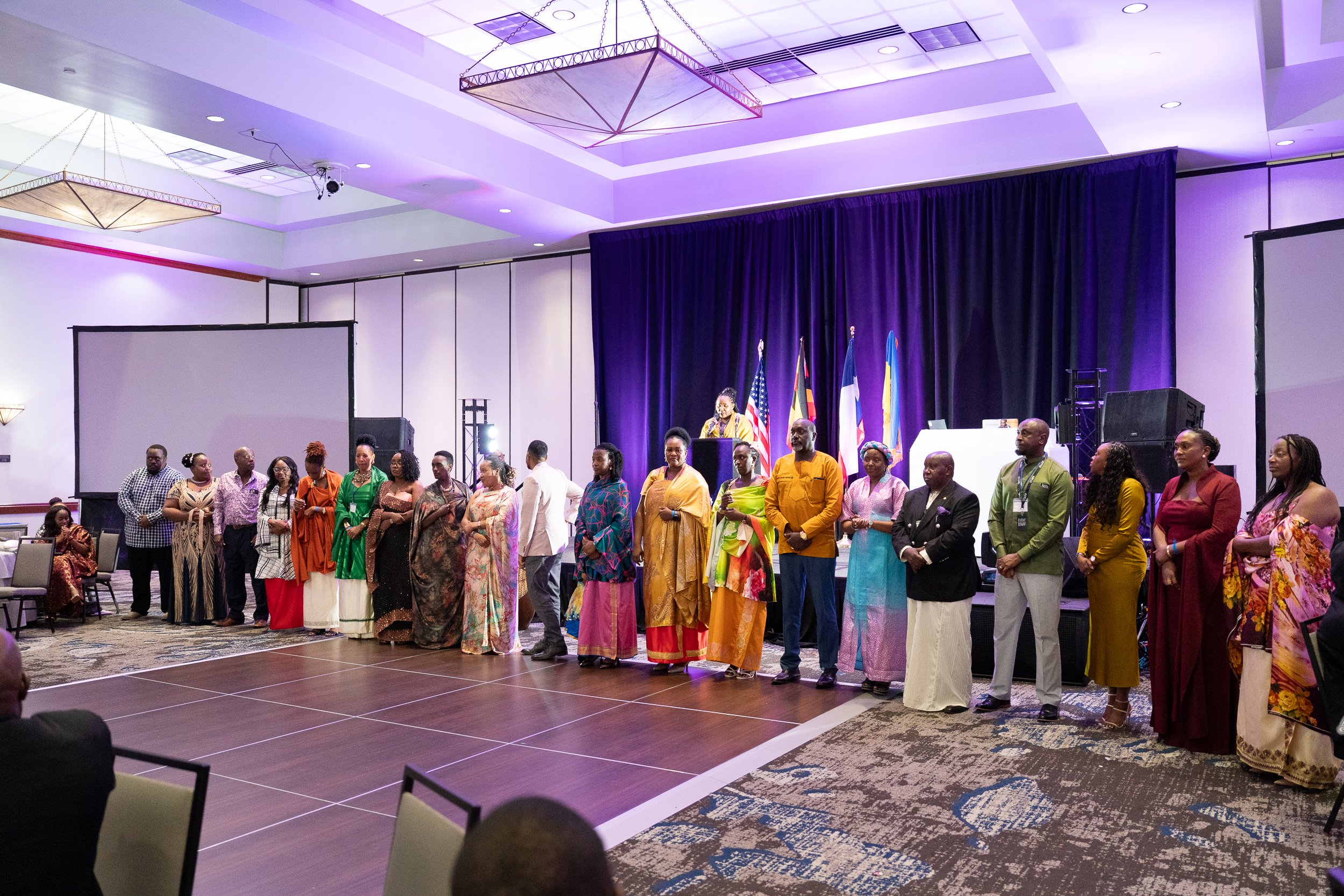
Members of the Dallas local organizing committee led by Mrs. Rita Akiiki Bazanye ensured the success of the 2026 TAA convention in Dallas, Texas
Speaking as both Batebe of Tooro(sister to the king) and a member of the Diaspora living in Texas, Princess Komuntale emphasized that royalty, for her, means responsibility and service. “I founded the Princess Komuntale Foundation to uplift underprivileged children and the youth,” she disclosed. Motherhood, she said, has deepened her commitment:
“You begin to think not only about your own child, but about every child who lacks opportunity, every mother struggling to provide, every young person battling silently with mental health challenges.” She highlighted mental health as a critical but stigmatized issue in both Tooro and Diaspora communities.
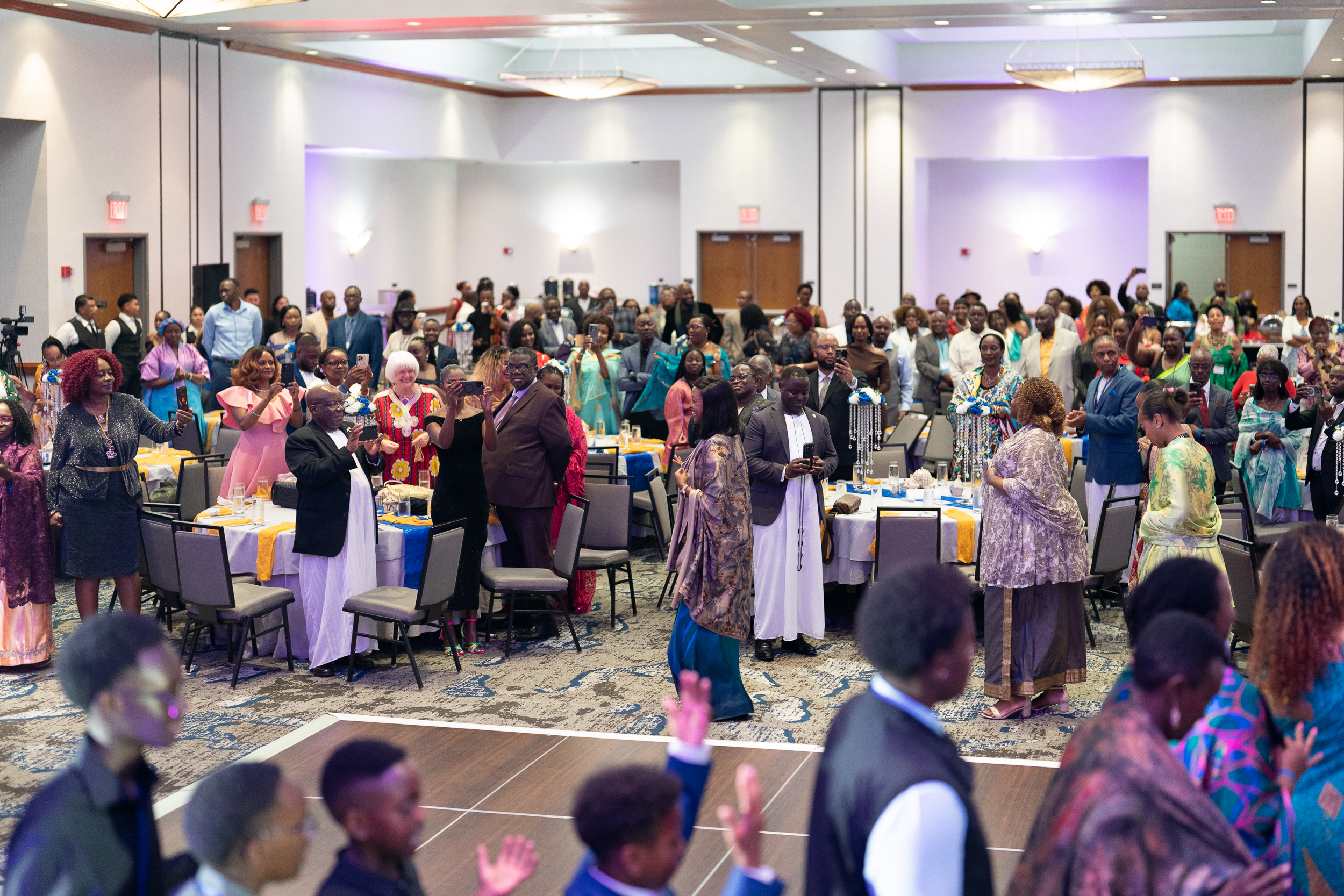
Delegates at the 2026 TAA convention in Dallas, Texas
Her foundation plans to establish clinics and outreach programs offering counseling and emotional support. “Healing minds is just as important as healing bodies,” she noted. Princess Komuntale urged the Diaspora to partner with her through expertise, mentorship, financial support, and advocacy. She also reaffirmed her commitment to supporting the Batooro Association in the United States, praising its role in fostering unity and cultural continuity. Quoting the Tooro proverb “Aga’taine nigo gaata igufa”—small threads bind the bones—she reminded the community that collective action is essential.
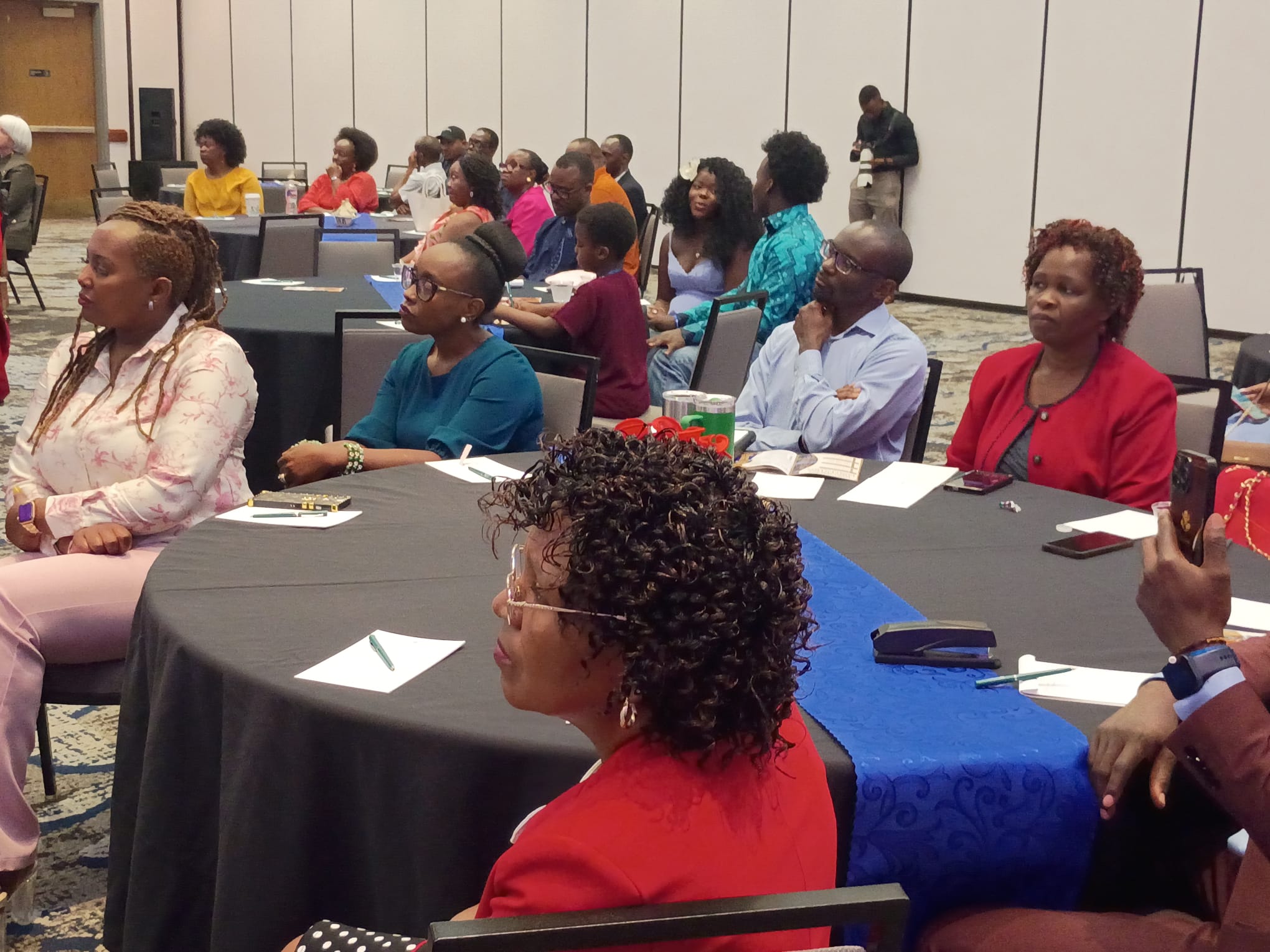
Tonight, she declared: “I come before you not only as Princess Royal, but as your sister, your daughter, and your fellow Mutoro, asking for partnership, collaboration, and support.”
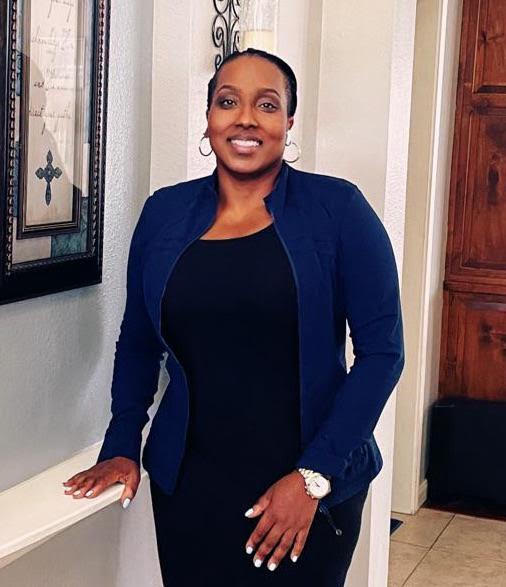
The Princess’s remarks echoed themes from a dedicated mental health forum headlined by Joanna Nakabiito Ahounou Adyeeri (MSN, PMHNP), with Dr. Joan Bavuga, an educationist, and moderated by Mrs. Florence Bazanye Tugume, who also doubled as the overall coordinator of the convention. This forum broke silence, and dispelled myths about mental health. Attendees were invited to anonymously submit questions, allowing candid dialogue on a topic often shrouded in stigma. Nakabiito emphasized that mental health challenges are real and widespread: “Mental health challenges are real and are afflicting individuals, families, and communities both in Uganda and within the Ugandan Diaspora communities on a scale that is unparalleled .”
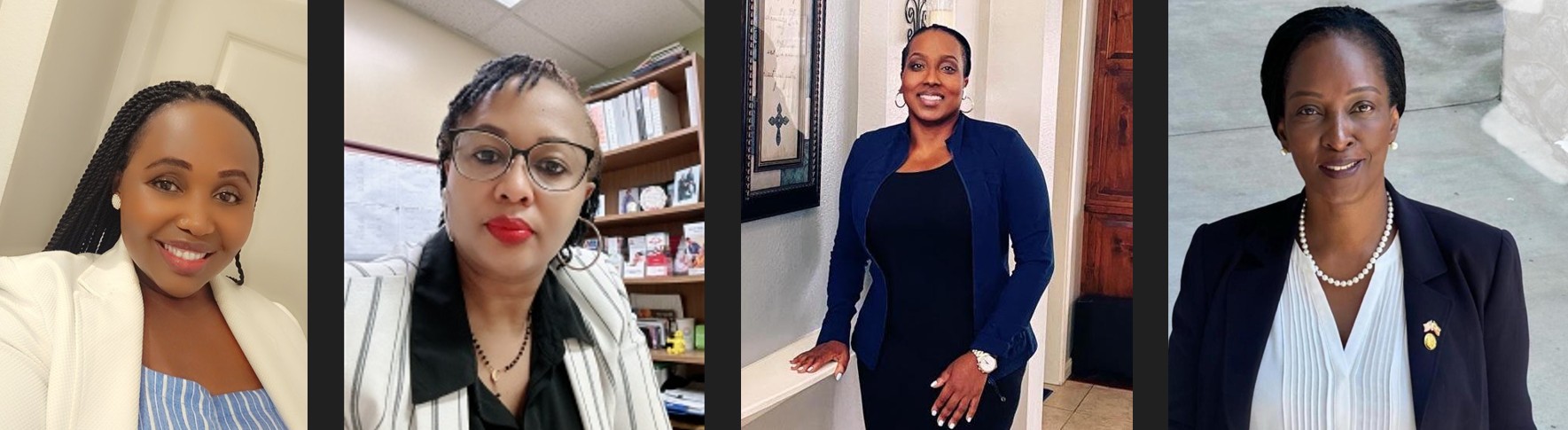
The panel defined mental illness, debunked myths, explained treatment options, and clarified when individuals should seek help from professionals. Children were included in the forum to ensure early awareness. Uganda’s Ambassador to the United States, Robie Kakonge, attended the entire session and delivered a powerful message:
“Mental disease is real. It is grievously impacting our people both here and at home in ways that are hard to calculate.” She urged communities to reject stigma and seek help early.
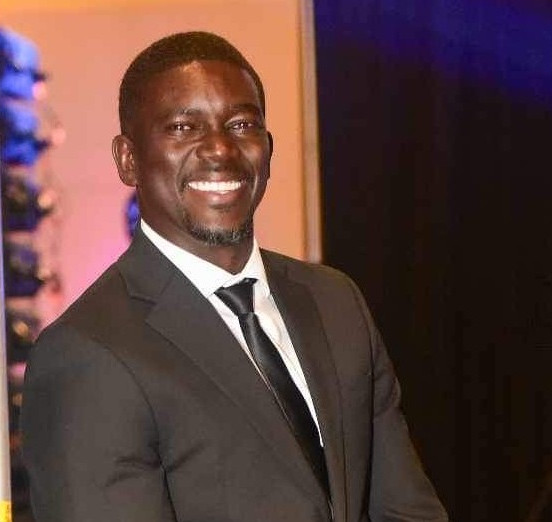
“Afflicted individuals and families should not fall prey to social stigma or cultural stereotypes associated with mental disease and suffer silently,” she counselled, adding, “They should come out and seek help in time before the condition gets worse. She saluted the medical professionals in the Diaspora that have come out to address this urgent but silent crisis that is afflicting our people.
To amplify the importance of health and wellness, TAA partnered with the Ugandan-North American Medical Society (U-NAMS) to lead multiple health forums during the convention.
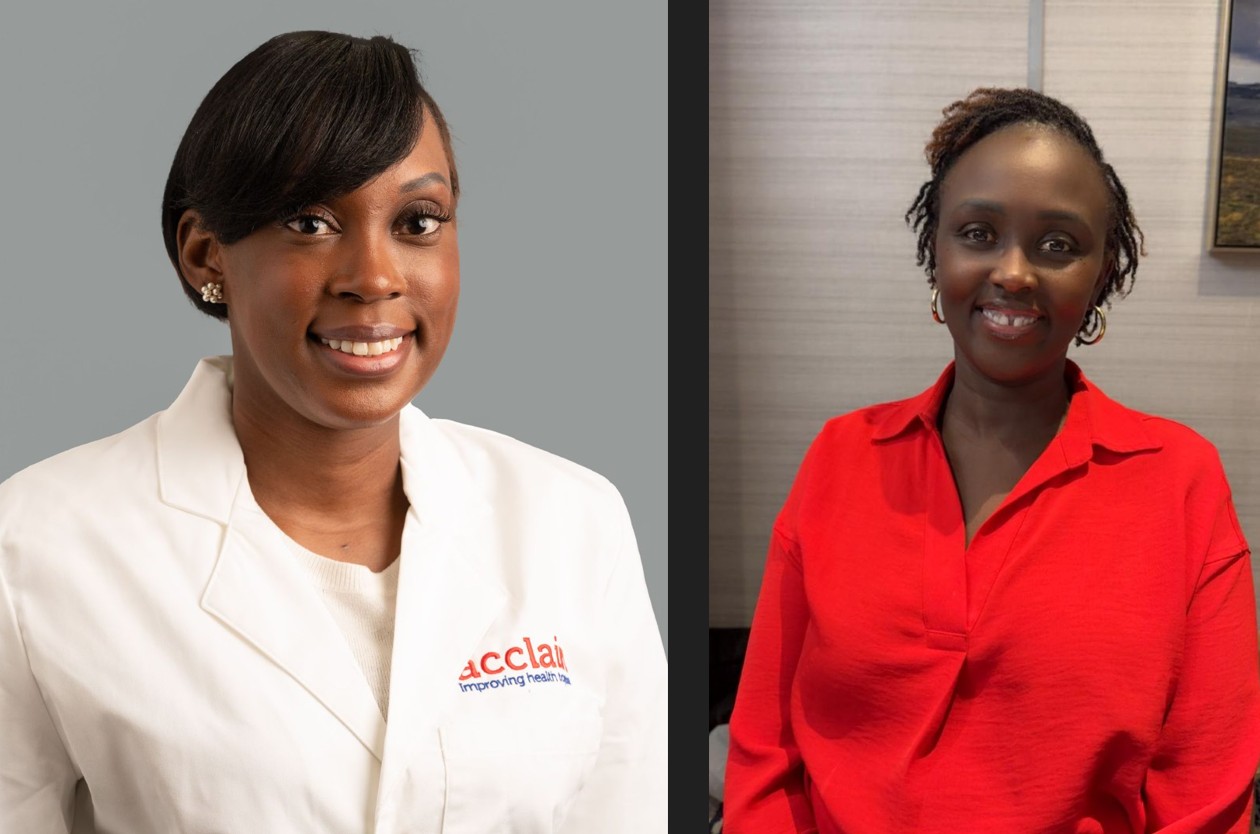
The TAA-U-NAMS partnership was both strategic and deliberate—it aimed at creating awareness and educating convention delegates on all matters related to healthcare. “Self-awareness about general healthcare including mental health, wellness, and the need to consult qualified medical practitioners when sickness strikes were pervasive talking points that we intentionally encouraged during the health-related forums,” Ms. Florence Bazanye Tugume told me.

Local U-NAMS representatives—Mrs. Daphine Karungi Rutehenda, Mrs. Aisha Musoke Mugga, and Ms. Mabel Kunihira—led an interactive “Ask a Doctor” session featuring quizzes and virtual games during the trade and investment luncheon. The trio was joined by Dr. Agnes Nambiro-Kasolo, U-NAMS’s Community outreach Director via video link to field questions from the audience. “We intended to have a hands-on session with a qualified physician at hand to respond to some of the more complex questions that were raised,” Mrs. Aisha Mugga told the audience. “We learned a few things about our bodies that we never knew existed,” one participant told me.
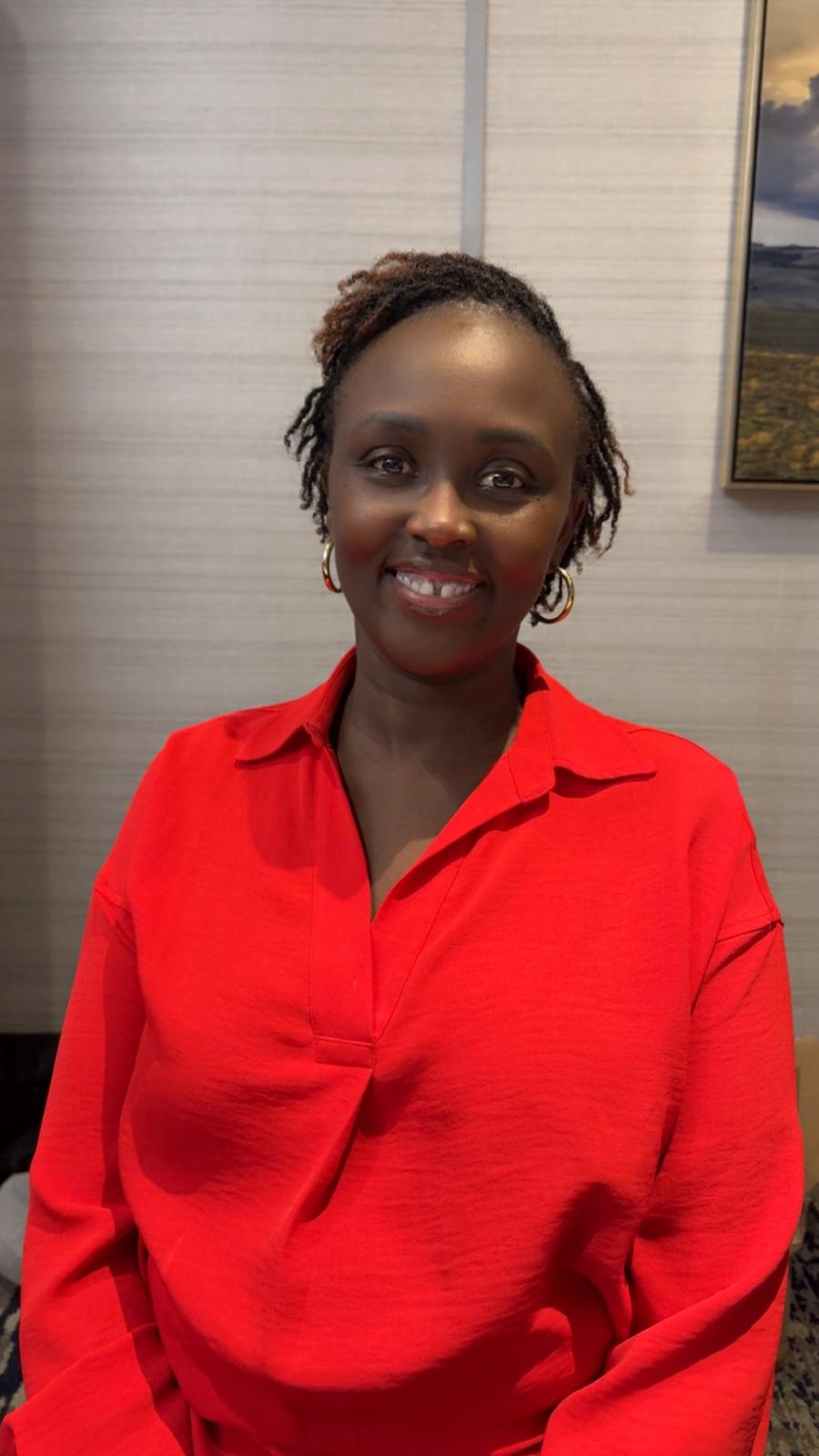
“We wanted to demystify the relationship between health practitioners and patients as a way of encouraging members of our Diaspora communities to attain a degree of comfort and confidence while interacting with health professionals,” MS. Daphine Karungi told me.
During the grand dinner, the trio also explained the importance of consulting healthcare professionals whenever members of the community fall sick and also informed the diners about the presence of U-NAMS within their midst. As members of U-NAMS in the DFW area, they pledged that they can volunteer some professional services if approached in a timely manner.

Dr. Sarah Matovu, U-NAMS co-founder and vice president, addressed the banquet virtually, outlining the organization’s mission to improve healthcare in Uganda through medical missions, training, and collaborative aid. She highlighted past missions in Gombe (2024), Nakaseke (2017), and Kasese (2010), and announced that U-NAMS will headline health activities at the upcoming UNAA convention in Colorado.

Dr. Sarah Matovu, also one of the six founder members of the Ugandan-American association, said that UNAMS vision is to improve healthcare and community well-being by fostering professional growth, compassionate care, and equitable access, while building a network of healthcare leaders committed to excellence and volunteer service. “UNAMS supports medical education and training in Uganda; provides practical insights for better healthcare outcomes; brings together healthcare stakeholders; and shares knowledge that shapes the future of healthcare,” she told the diners at the grand dinner .
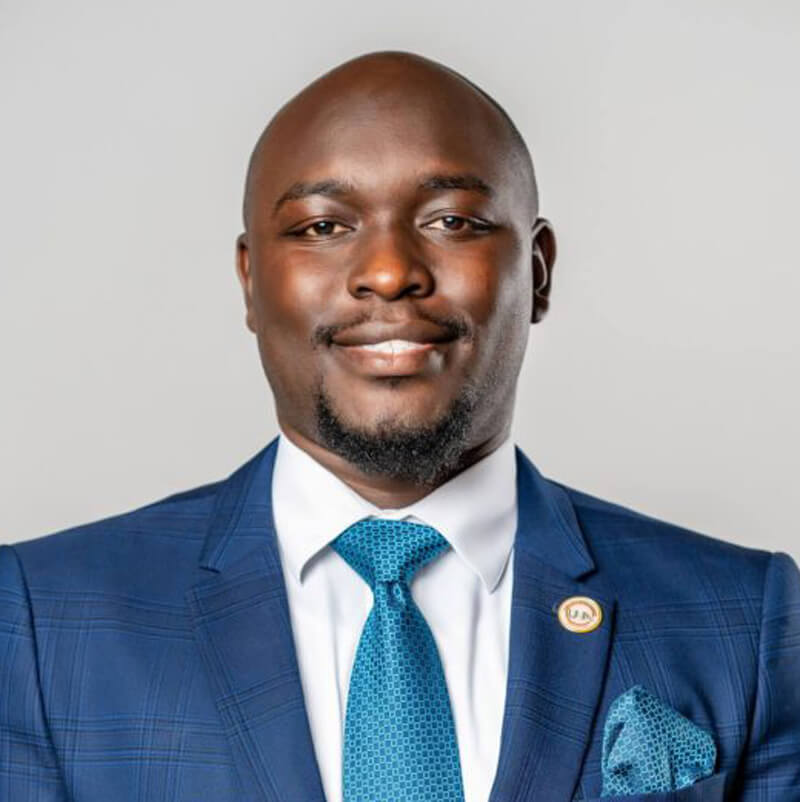
The President and CEO of the Uganda-North American Association (UNAA)Mr. Lambert Etibot delivered one of the convention’s most incisive analyses of mental health challenges facing Ugandans in the Diaspora. He described the emotional duality many immigrants experience:
“Physically, we live in America; emotionally, many of us remain deeply connected to Uganda.” The UNAA chief observed that “every day, we follow news from home; we worry about our families; we celebrate achievements; and we mourn losses.” At the same time, he added, “we navigate the realities of life in North America—rising costs of living, demanding work schedules, mortgages, student loans, healthcare expenses, and the pressures of building a future.” Yet, Mr. Etibot observed that “many of our people carry these burdens silently—they work long hours, they support relatives back home, they provide for their immediate families, they strive to maintain cultural expectations while adapting to a different society.”
The impact of the sum total of all these commitments, Mr. Etibot noted, “can contribute to anxiety, depression, burnout, isolation, and other mental health challenges.” He lamented that the “challenge becomes even more complex when raising children born and raised in America.” “Our children often understand the world through an American lens. Yet they are raised in homes deeply rooted in Ugandan values and traditions.” Oftentimes, he said, children may feel caught between two identities when parents struggle to understand their children's experiences, while children struggle to understand their parents' expectations. He opined that without intentional dialogue and support, this cultural tension can create confusion, frustration, family conflict, and emotional distress.
Despite the enormous emotional burden, the UNAA president offered a pathway to mitigating the situation: “The solution begins with conversation,” he said, adding, “we must normalize discussions about mental health.” Mr. Etibot urged communities to strengthen family communication, invest in youth engagement, and bridge generational gaps with understanding rather than criticism.
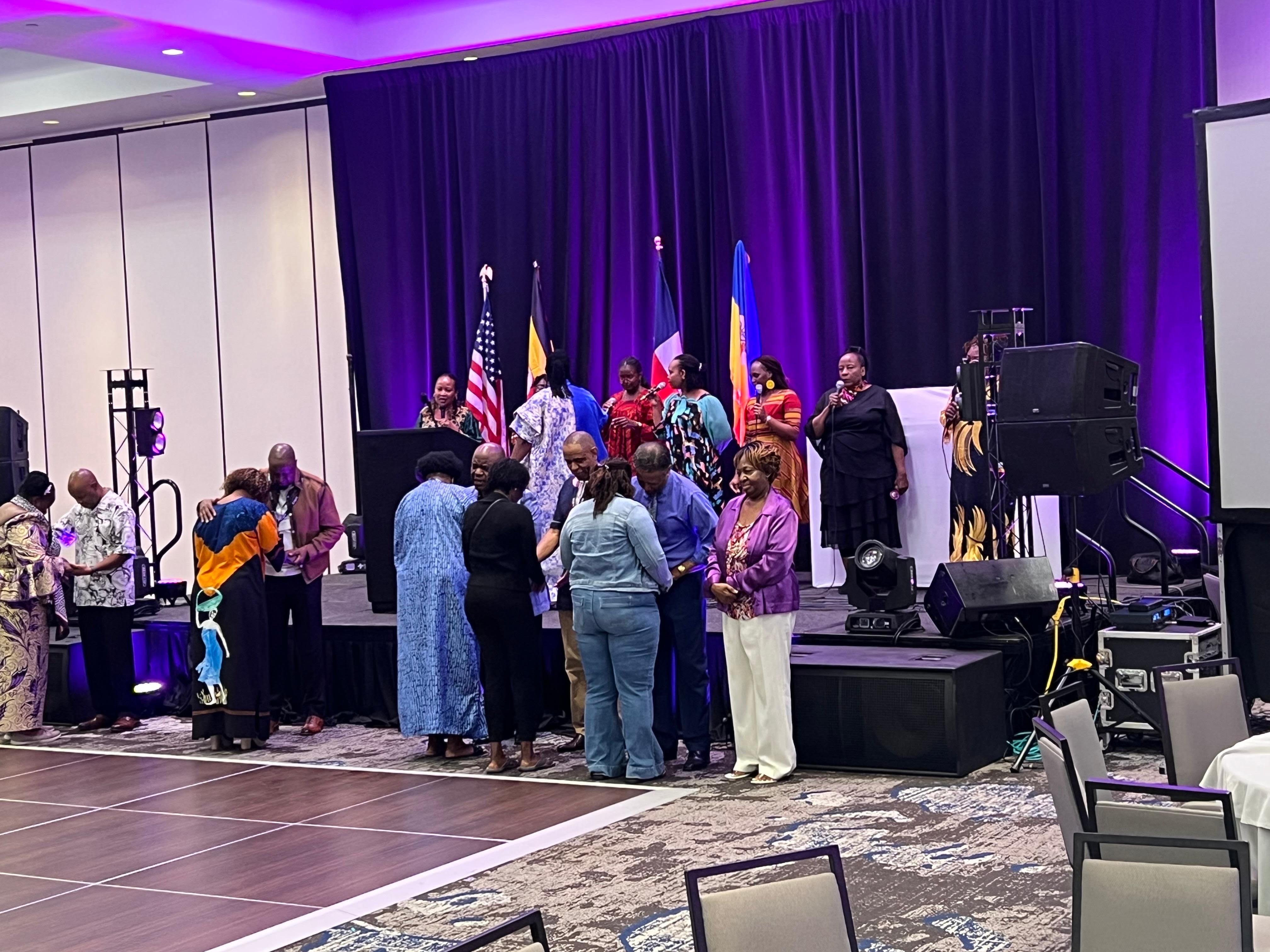
“We must create safe spaces within our communities where people can seek support without fear of judgment,” he said. He paid tribute to the religious leaders in the dispersed Ugandan Diaspora communities who are providing spiritual guidance and moral leadership within the communities. “Thank you for praying for us, counseling families, and helping us remain grounded in faith,” he said.
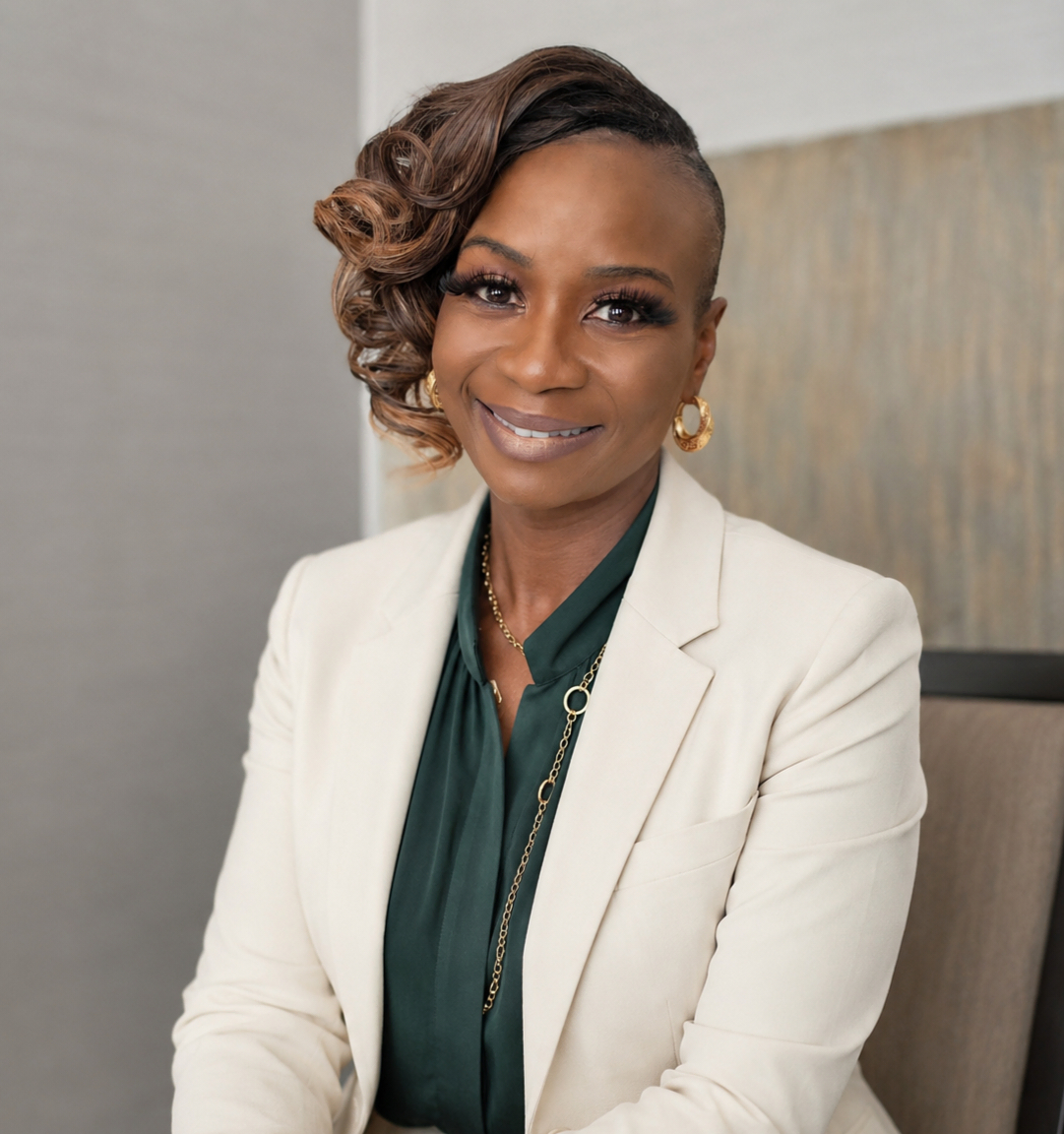
The convention’s focus on wellness—mind, body, and spirit—received a powerful boost from Apostle Dr. Victoria Mwango Scott, whose ministry bridges faith and practical life challenges. She made a spiritual call to wholeness through a divinely orchestrated process that addresses healthcare challenges with heavenly solutions. Apostle Dr. Victoria Mwango Scott shared her personal transformation story, including losing 165 pounds and reversing insuli n resistance, as an example of holistic healing.
Her message was clear: “The most effective strategies in overcoming world challenges is by pursuing wholeness in spirit, soul, and body.” Her mission, she said, is to help individuals overcome chronic illnesses and mental health struggles through disciplined, faith-driven wellness. Reflecting on her life’s transformational journey, Dr. Scott said: “What began as a personal wellness journey has become a shared mission to help individuals aspire towards wholeness in spirit, soul, and body. “We support people facing obesity, diabetes, lupus, HIV, autoimmune disorders, cancer, developmental challenges, and chronic illness to overcome their afflictions as long as they follow instructions.” For those ready to plunge into their own transformation process, Dr. Scott is only a phone call away: (903) 600-0515 and her emails are: This email address is being protected from spambots. You need JavaScript enabled to view it.;This email address is being protected from spambots. You need JavaScript enabled to view it.
Across all convention speeches, activities, forums, and heartfelt testimonies, the Tooro-American Association(TAA) made one message unmistakable: Tooro’s future depends on eliminating the two emergency health crises: child malnutrition and confronting mental health challenges head-on. From the Kingdom’s leadership to Diaspora professionals, from faith leaders to medical experts, the call was unified—health is the foundation of generational transformation. The Tooro-American community left Dallas with renewed purpose: to build, to heal, and to ensure that no child and no family—whether in Tooro or the Diaspora—faces health challenges alone.
Leave your comments
Post comment as a guest